

From 2013 to 2023, the Northeastern State University RiverHawks football program in Tahlequah, Oklahoma, endured a decade of struggle. Over ten seasons, NSU posted a combined record of just 12–98, including three entirely winless campaigns. The program often suffered lopsided losses, struggling to compete with conference rivals as resources dwindled and coaching turnover became frequent. Once a powerhouse, boasting two national championships, 21 conference titles, 94 All-Americans, and a pipeline of professional talent, the RiverHawks had essentially lost their identity, becoming an afterthought in the competitive MIAA conference.
That trajectory of defeat changed dramatically with the arrival of Head Coach Darrin Chiaverini in January 2024. A former NFL wide receiver and highly successful collegiate coach, Chiaverini brought immediate credibility and energy to Tahlequah. His background alone was a statement: a 7 year professional athlete who played for the Dallas Cowboys, Atlanta Falcons and Cleveland Browns, he understood the pinnacle of the game. Known nationally as one of the brightest offensive minds and most tireless recruiters in college football, he built his coaching reputation at the Power Four level with high-profile stops at Colorado, UCLA, and Texas Tech, where his offenses consistently ranked among the nation’s most dynamic and explosive.
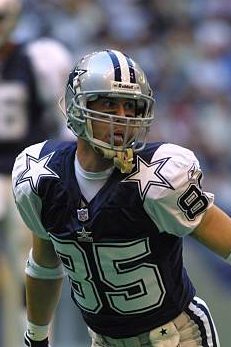
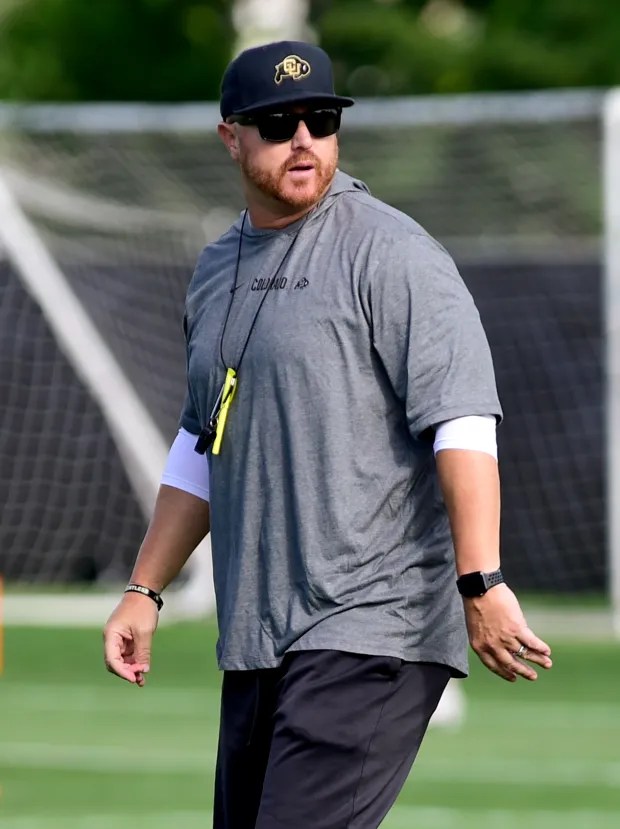
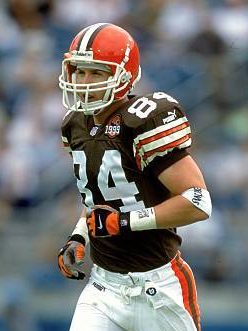
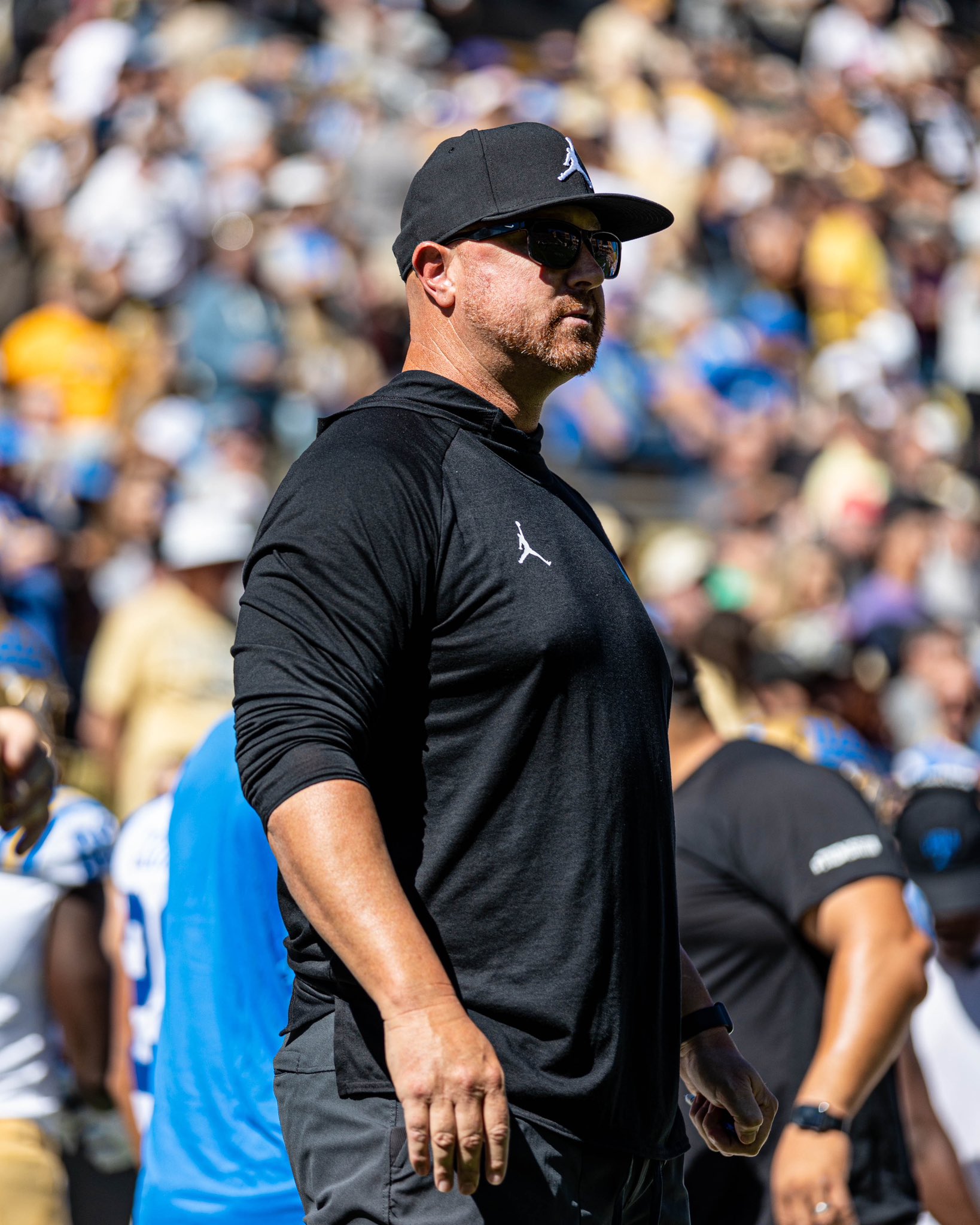
At Colorado, Chiaverini’s impact was historic. He helped engineer the biggest turnaround in Pac-12 history, transforming a basement-dwelling 4–9 program into a 10–4 Pac-12 South Champion in just one season. As the offensive coordinator, he oversaw an overhaul that resulted in the offense shattering multiple school records for total yardage, total touchdowns, and first downs gained. His system was characterized by high tempo and aggressive playcalling, maximizing the talent he recruited. His presence on the offensive side of the ball produced equally explosive results at UCLA, where the Bruins ranked top five nationally in total offense, third-down conversions, and scoring efficiency, averaging well over 500 yards and nearly 40 points per game. He was adept at developing versatile skill-position players, a reputation he carried with him.
His reputation precedes him, confirmed by his colleagues who represent some of the highest offensive IQs in football:
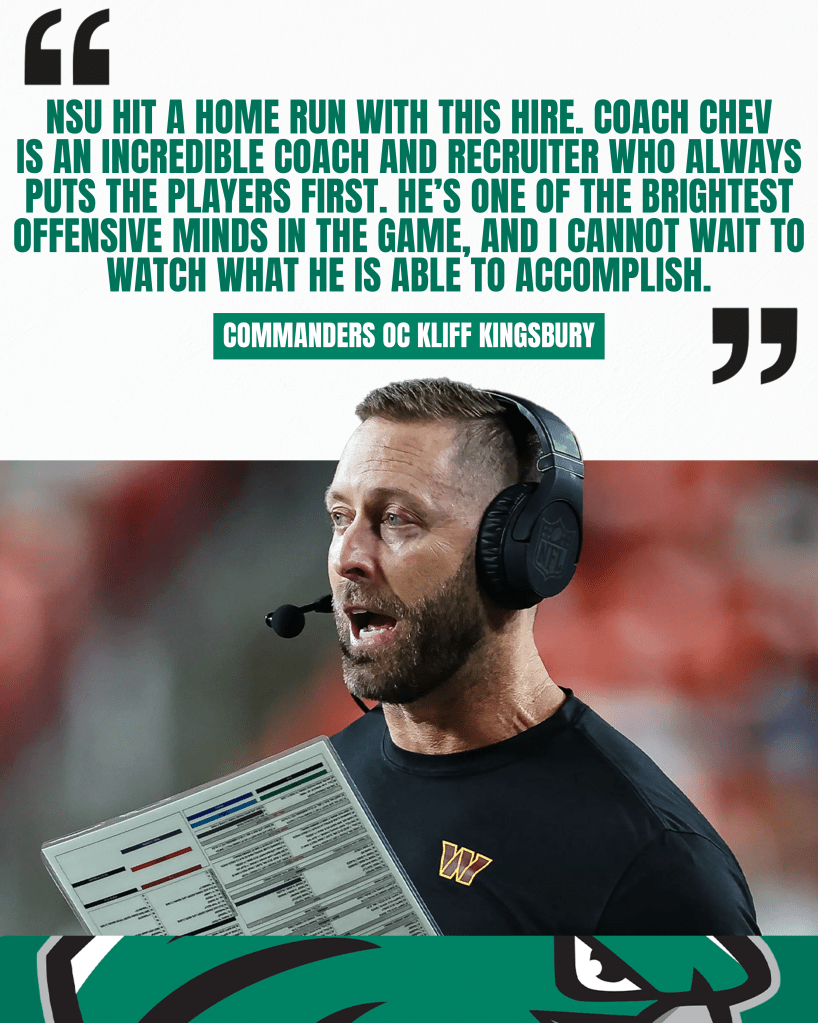
“Coach Chev is an incredible coach and recruiter who always puts the players first,” said Kliff Kingsbury, Offensive Coordinator for the Washington Commanders. “He’s one of the brightest offensive minds in the game. When he commits to building a program, he’s all-in.”
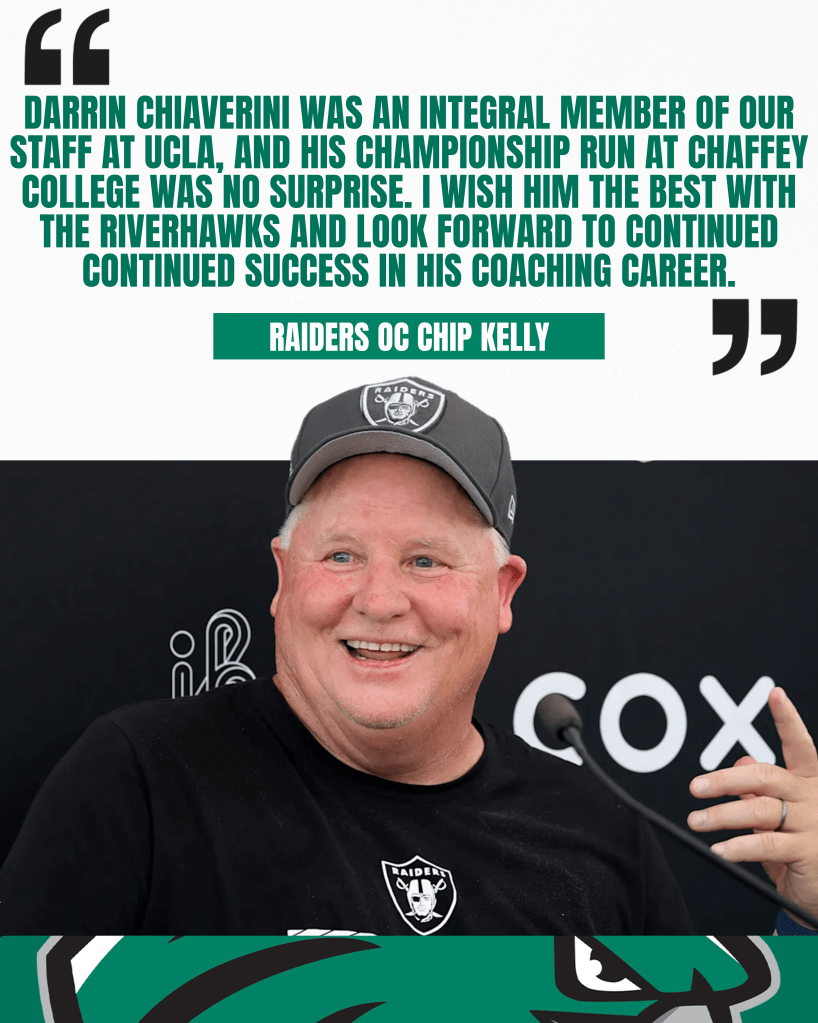
“Darrin was an integral member of our UCLA coaching staff,” added Chip Kelly, Offensive Coordinator for the Las Vegas Raiders. “His championship run at Chaffey College was no surprise. Coach Chev is a really bright offensive coach, and I look forward to his continued success and the positive change he brings to every locker room.”
From No Players to 11-0: The Chaffey Miracle
Chiaverini’s decision to transition from a long-time assistant to a head coach was driven by a clear desire to take full, unfiltered ownership of a program and implement his unique system. “It goes back to my experience as a coordinator at Colorado,” Chiaverini recalled. “In 2021 there were forces that were over me, limiting me from running the systems I wanted to run. I couldn’t really have the personality I wanted to have as far as my future goes, so I said to myself, “you know what, I’ve been a Division I assistant for 10 years now, I want to go build a program from the ground up.”
After spending a year as an analyst with Chip Kelly at UCLA, a period he called a “reset” Chiaverini took the leap, accepting his first head coaching job at Chaffey College in May 2023, a junior college program in California that had gone just 2–18 over the previous two seasons.
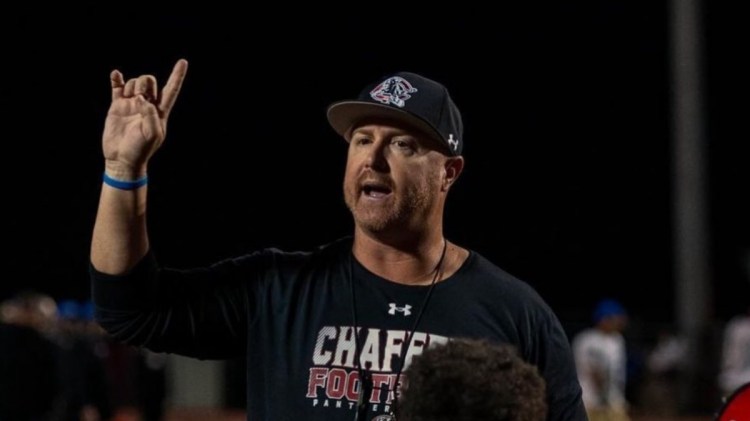
“When I took the job and got hired, I didn’t realize they didn’t even have a team,” he shared candidly. “I got there and there were no players on campus, so I really spent the first six to seven weeks putting a staff and roster together, putting together a football team from scratch.” The challenge was immense: assembling a legitimate college football team roster from zero in less than two months. This meant not only recruiting over 50 athletes but also hiring an entire coaching and support staff simultaneously.
Relying on his deep network established during years of recruiting the Inland Empire and Southern California, Chiaverini quickly rebuilt Chaffey. “I knew the area really well. A lot of guys trusted me because of my time at Colorado and at the Division I level,” he said. This trust allowed him to quickly secure commitments from talented, motivated freshmen. “We got on a run early in the season and went 11-0, winning every single game, and it gave me the opportunity to be a head coach, and have a lot of success, leading toward this job at NSU.”
The Panthers’ turnaround was nothing short of historic. They finished 11–0, securing the American Metro Conference Championship and winning the American Division Bowl. The offense was a statistical marvel, averaging a staggering 46.0 points and 513 yards per game, defined by exceptional efficiency metrics: 58% third-down conversions and 89% red-zone success. The season proved Chiaverini could not only recruit top talent but also instill a winning culture and scheme a dominant system instantly.
Rebuilding the RiverHawks
The move to Tahlequah, Oklahoma, was unexpected. “I had no idea where Northeastern State was,” he admitted, laughing as he recalled how an acquaintance reached out on social media. “From what I have heard, there were over 300 candidates for this job, and it showed me how fate and destiny works, getting hired at NSU.”
The task was immediately daunting, particularly when confronted with the strength of the MIAA conference, one of the premier Division II leagues in the country, known for its tough, established. It required a “total roster overhaul,” a process that began on day one. Chiaverini and his staff, built up of full-time staffers who have all shared experience playing or coaching at the Division I level, strategically targeted key recruiting battlegrounds, the Tulsa area, Northwest Arkansas, and the Dallas metroplex, leveraging his Power Four network to attract talent that would normally bypass a struggling Division II program.
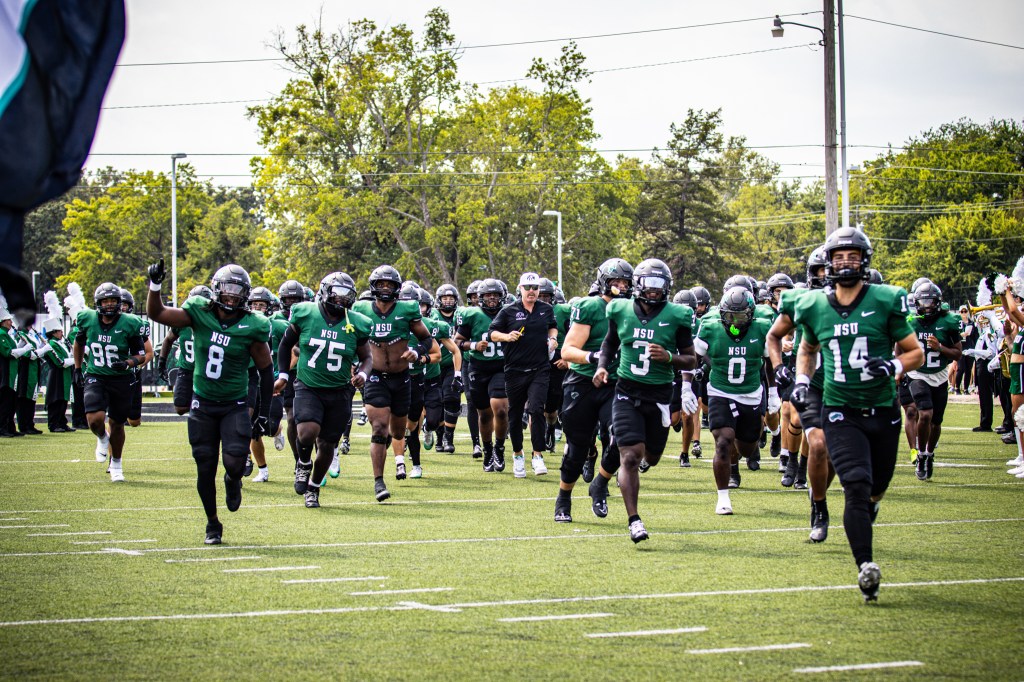
“When I got here, this was a very, very challenging job. It still is,” Chiaverini emphasized, detailing the distinct realities of Division II football. “Our resources are limited. We’re in Division II college football. There’s no TV revenue, no mega-donors, so we’re fundraising for a lot of things. It’s been a great learning experience for me as a head coach, to be able to build a roster from scratch, deal with budgets, fundraising, donors, and everything that comes with being a head coach. I wouldn’t change it for the world.”
In his first season, 2024, the RiverHawks’ offense immediately demonstrated the Chiaverini effect, averaging 28 points per game, a massive jump from 10.1 the year before. They finished 2–9, but the narrative had shifted entirely. They lost four one-score contests, proving they were no longer being blown out, but were consistently competitive. Tight end Cameron Woods became NSU’s first All-American since 2011, and freshman running back Ramon McKinney Jr. totaled over 1,000 all-purpose yards and 10 scores in a limited campaign.
From Competitor to Contender: The 2025 Breakthrough
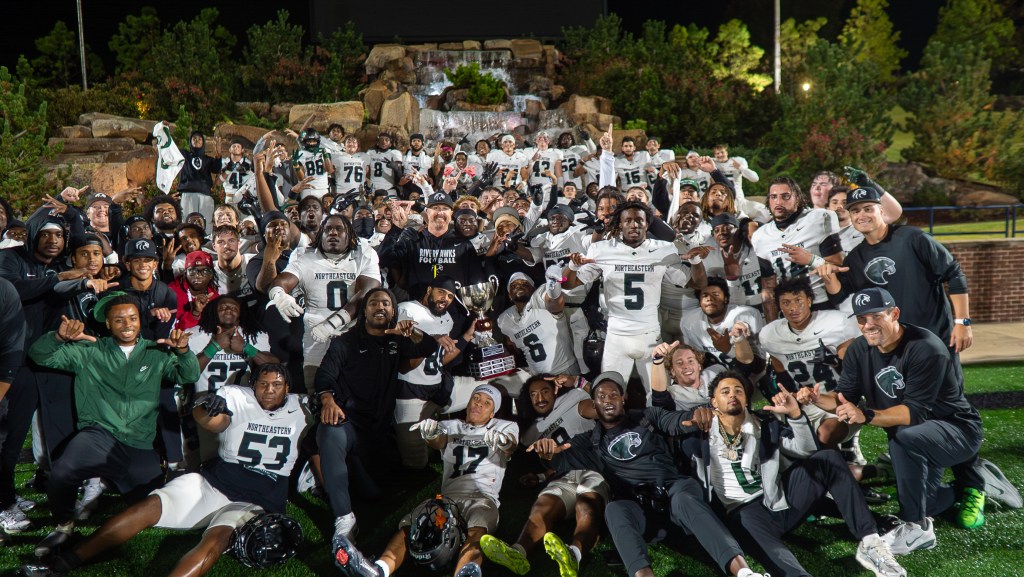
The learning and growth paid dividends in year two. In 2025, NSU entered the season with 101 of 108 players recruited entirely by Chiaverini and his staff. This roster cohesion led to the immediate success the program and community craved. The team opened with a stunning upset at Saginaw Valley State and, most importantly, went on to reclaim the President’s Cup against Central Oklahoma for the first time since 2013, igniting campus morale and validating the new culture. At 5–3, the RiverHawks are enjoying their best start since 2011, attracting regional media attention and fueling recruiting efforts.
“At the Division 2 level, you have the ability and opportunity to make mistakes,” Chiaverini noted. “I’ve made mistakes since I got here, but I’ve been able to learn from them and get better… I’ve grown a lot over the past two seasons as a playcaller, being able to call what I wanted to call, be aggressive and take chances. We’ve won some big games this year where it’s paid off.”
Thus far this season, amid their 5-3 start, the RiverHawks’ have continued to amaze with their improvements in box scores and within their statistics. The offense has scored 38 touchdowns, averaging 35.25 points per game, and average 7.1 yards per play, the 9th most nationally, while individuals, Donnie Smith, Ramon McKinney Jr, La’Vontae Shenault and Cameron Woods make their mark on college football. Quarterback Donnie Smith is 8th nationally with a 70.05% competition percentage, running back Ramon McKinney Jr is 5th in Division II with 1,277 all-purpose yards and 11 touchdowns, tight end Cameron Woods makes his case for a second consecutive All-American campaign as he leads all tight ends across all of college football in yards per reception, gaining 516 yards and 7 touchdowns on just 25 receptions this season, leading the category with 20.64 yards per reception. Wide receiver La’Vontae Shenault also finds himself in the top 10 nationally with 51 receptions for 724 yards through 7 games this season.
On the defensive side of the ball, the RiverHawks secondary have lived up to their names and been some of the best ‘ball hawks’ across the country, having 15 interceptions, and scoring 3 pick sixes thus far this season, both ranking second nationally.
The coaching staff is not just building a football team; they are building belief. They are embracing the challenges of the Division II level, where the pressure allows a head coach to truly refine his craft without the constant national scrutiny of a Power Four program.
Northeastern State’s G.R.I.T. Culture
Chiaverini knows success requires more than talent and scheme; it requires an internal commitment.
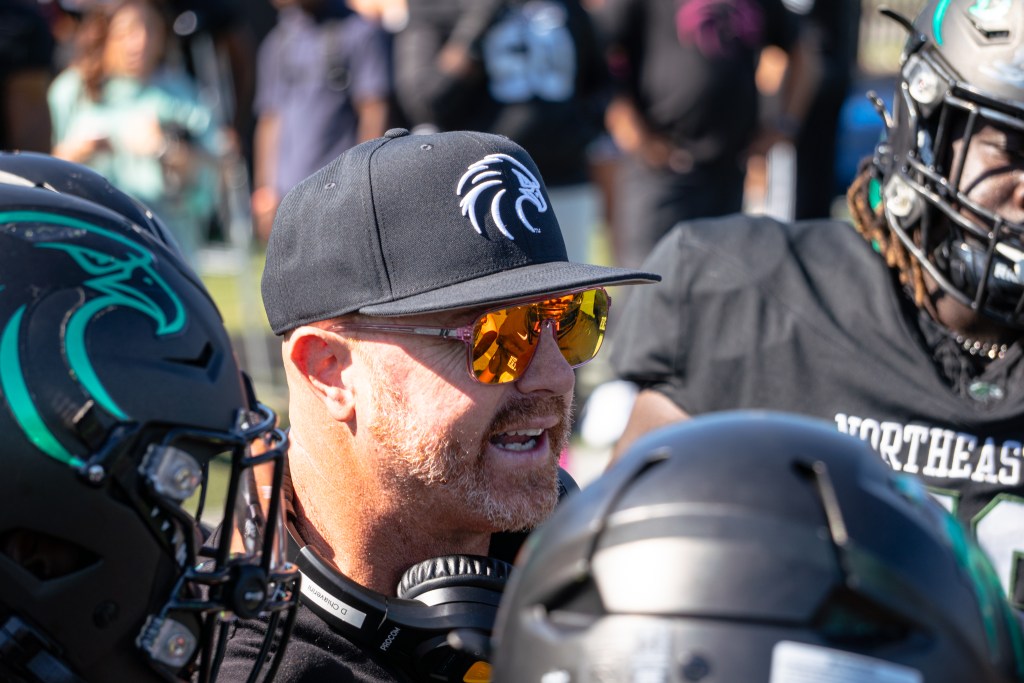

“Culture is one of the most used words in all of sports,” he said. “I heard Coach Sarkisian say before, ‘culture is not a slogan on the wall.’ So even though it’s something we say, post on social media and do have on our walls, when we talk about G.R.I.T., it’s a mindset, and we talk about what it means to have a G.R.I.T mindset. There’s so much more to it than just a slogan.”
The acronym stands for: Guts, Relentless, Intentional, and Toughness. Chiaverini breaks it down, “Guts, you have to have guts, and our team has a lot of guts, because we competed our butts off last year and we didn’t get the results we wanted, but we fought hard and went down to the wire in a lot of the games last year. It takes guts to pick yourself up when you’re getting knocked down. The second letter is R, Relentless, and just being relentless in your efforts, getting out of bed in the morning and going to work. The guys know I’m in the weight room at 5:00 in the morning, they know their coach is going to not only talk about it, but live it, and work hard and be relentless in his effort. Have that relentless effort to show up every day when things aren’t going your way and still work and give your all. You have to be intentional, don’t sleepwalk through life, have a plan for your life each and every day that you get up. And you have to be tough. Our team is tough. Our team comes to work everyday, and even though its not perfect, they go back to work, and I am very proud of the development piece, and the progress our program has made”
“I don’t like using the words ‘buy in.’ I know they are used a lot in sports, but to me, if you buy something, you can sell it. If you are committed to something though, committed to your family, your wife, your friends, you are all in. You aren’t going to sell when things get hard. So I don’t talk about buying in, I talk about commitment, and our team has committed to the process, and what it means to live by our acronym of G.R.I.T.”


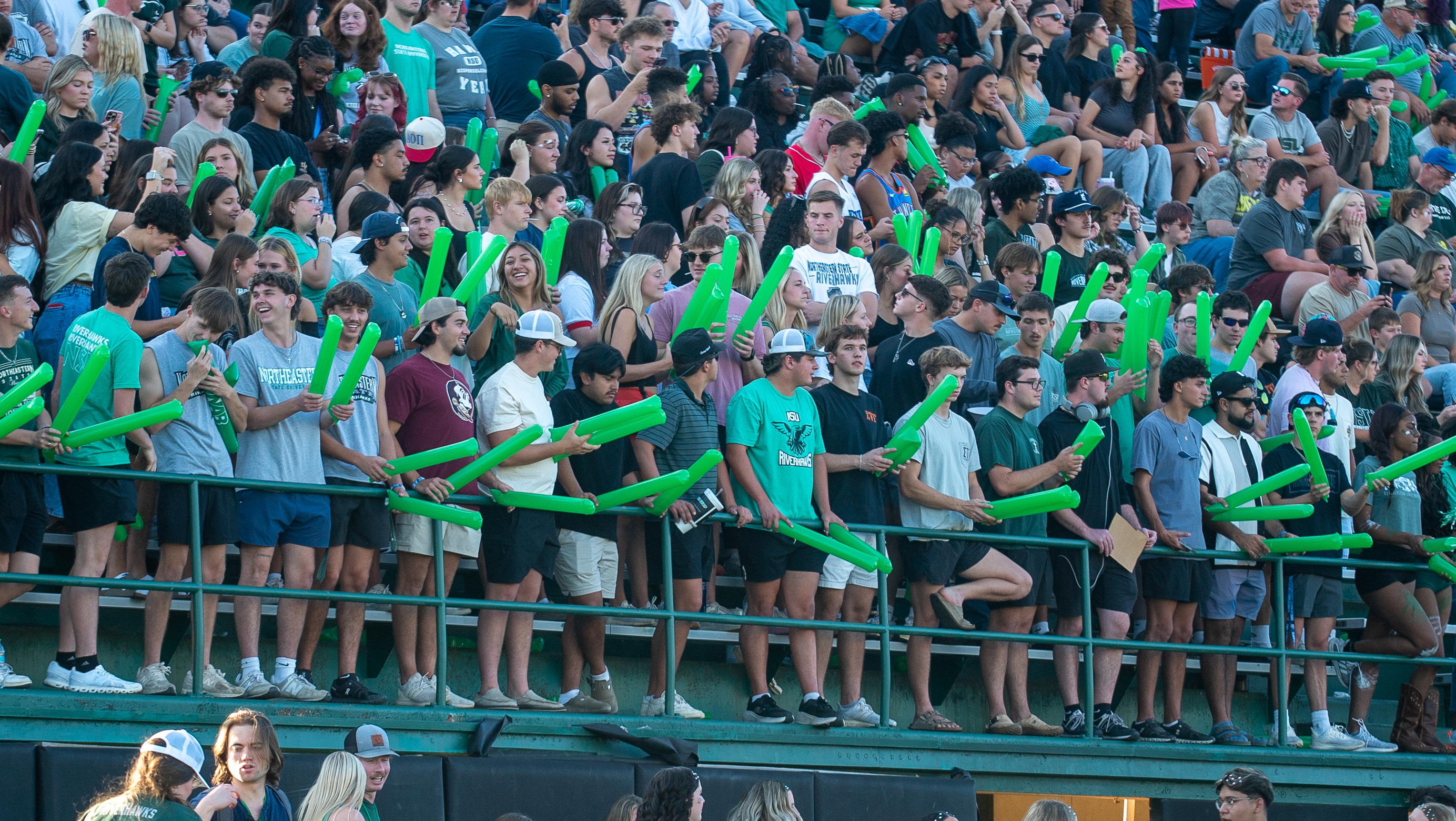

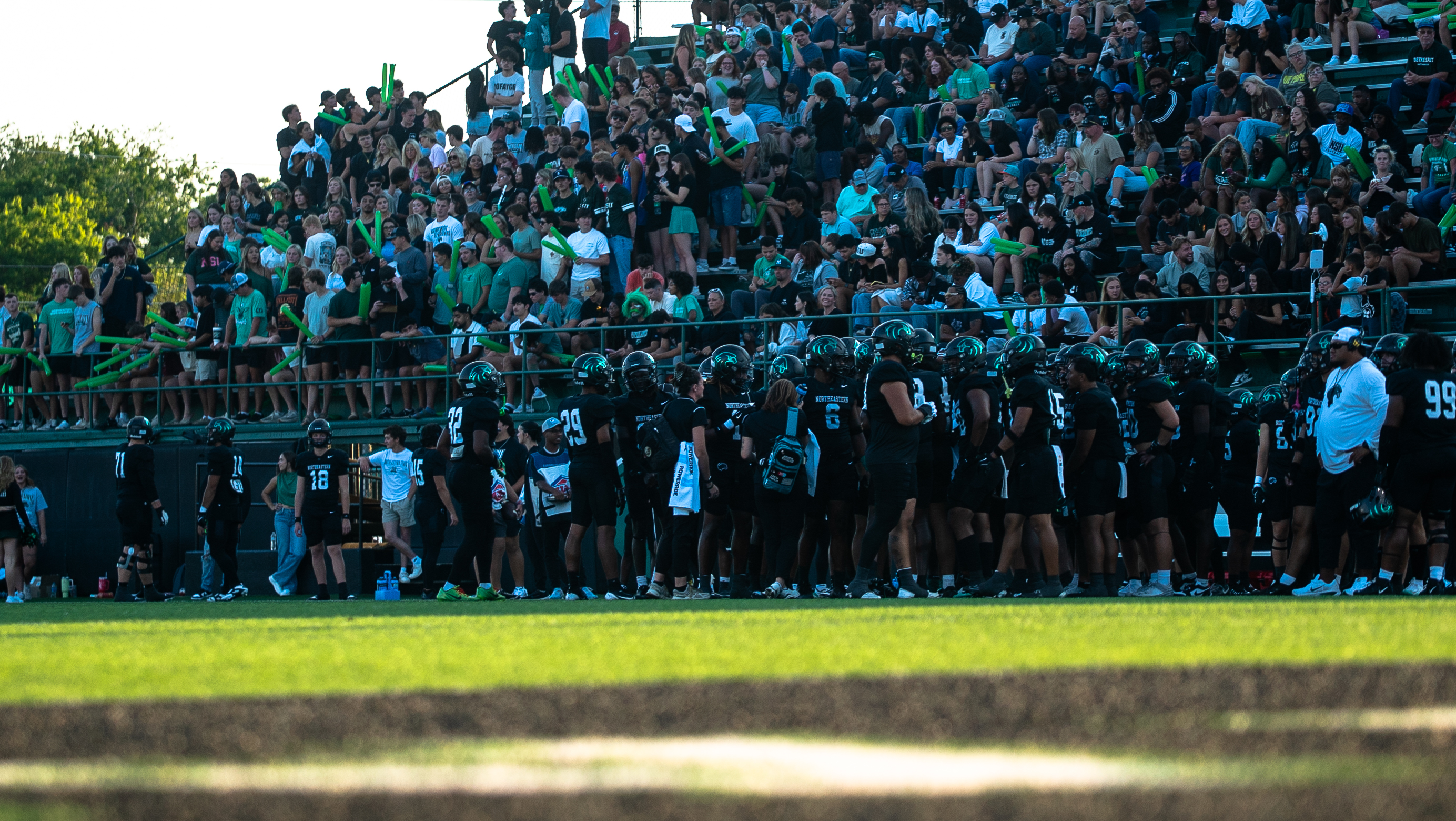
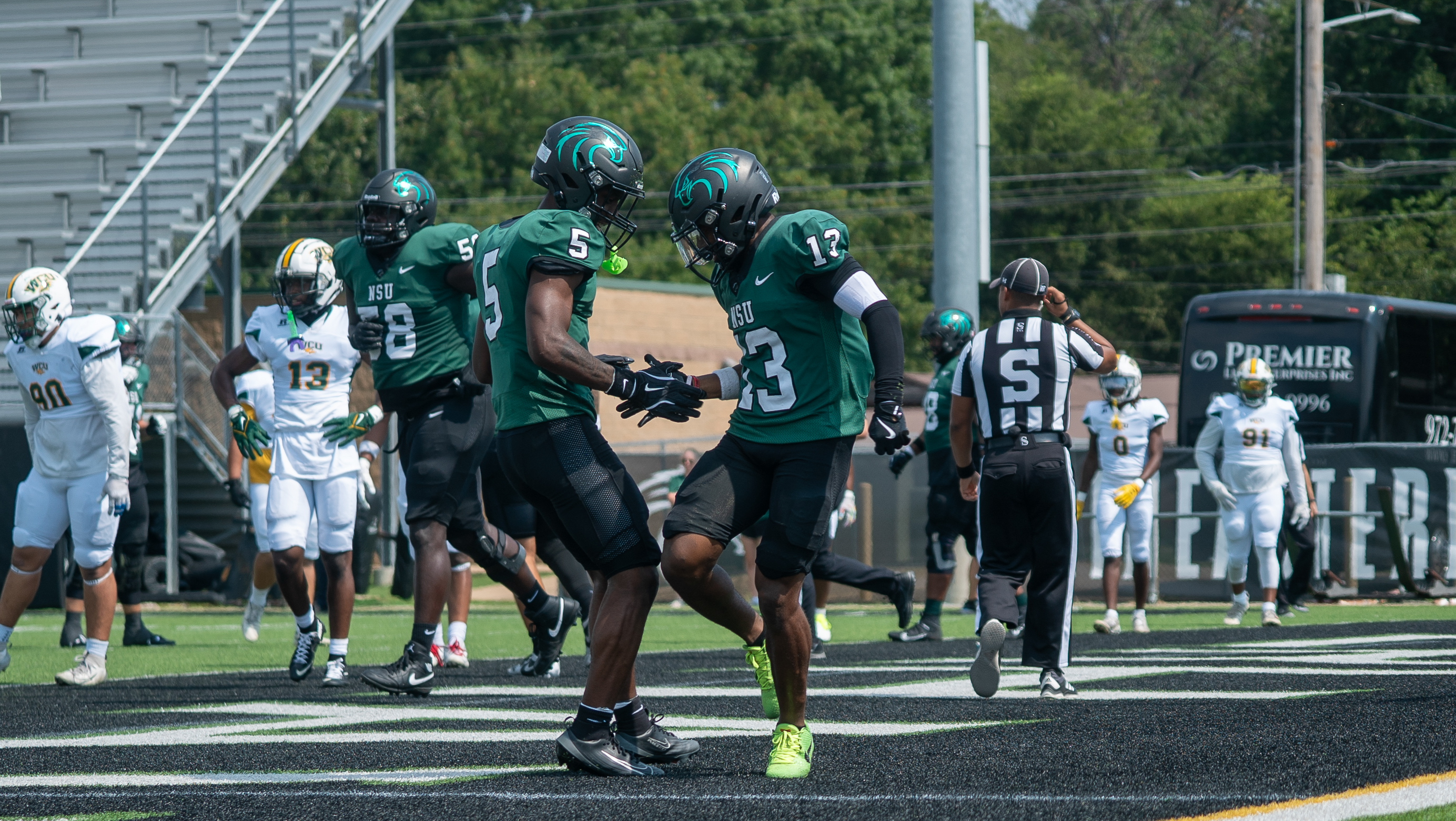
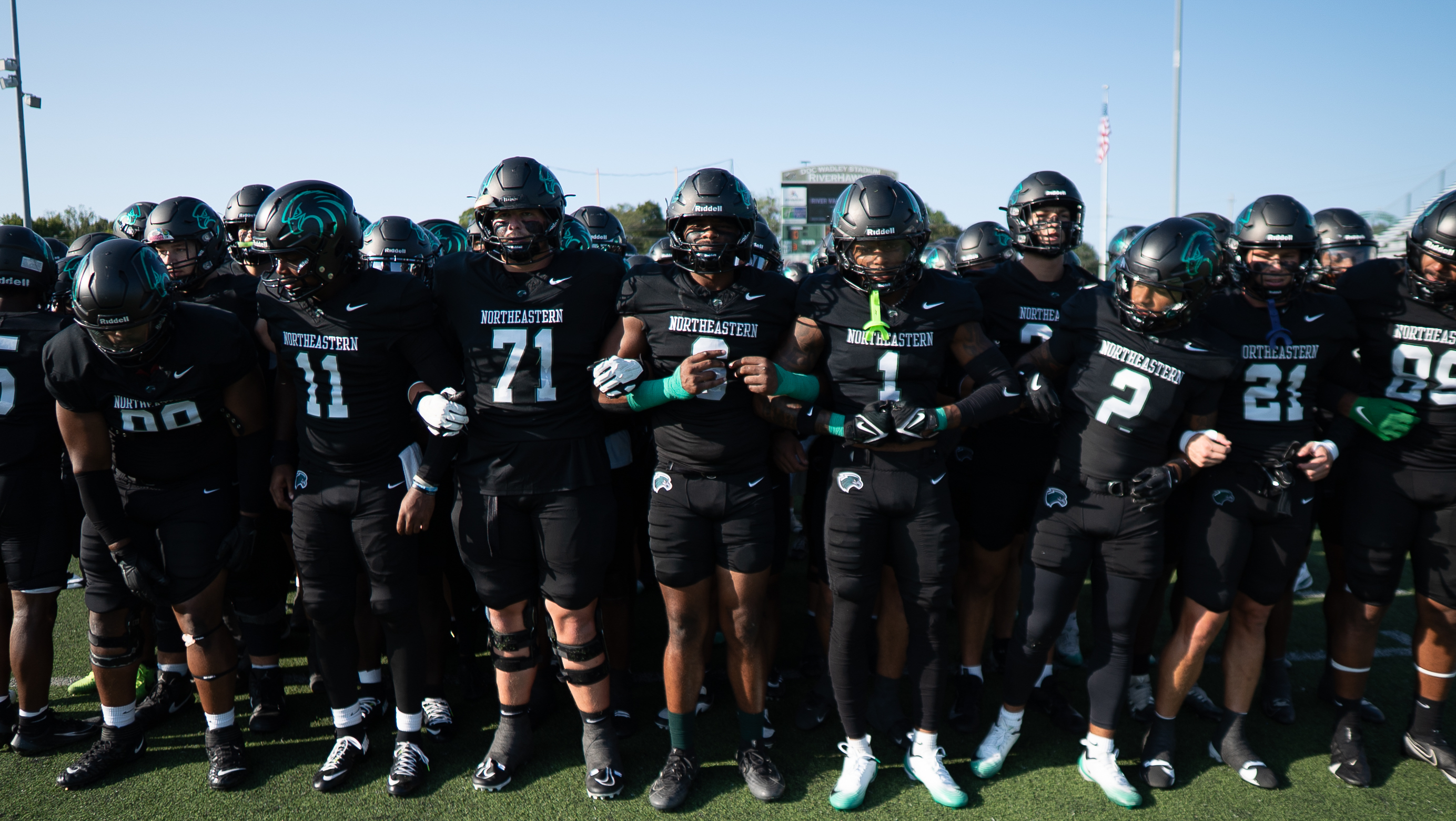

This commitment has fueled “The Chase,” a six-game sprint the team embarked on after a tight loss to a top-ranked program at home to West Florida and with three games left in the 2025 season, Northeastern State stands on the brink of history, controlling their own destiny:
- One more win would secure the program’s first winning season since 2011, a monumental achievement for the community.
- By winning the final two home games, the team would achieve winning records both at home and on the road.
- Winning out would land them at 8–3, a record that would make them strong candidates for a Division II playoff berth, while surpassing their win totals from the years 2016-2023 where the program posted a 7-70 record, something unimaginable 21 months ago.
“Our team this year, the last couple of weeks, we play as hard as any team I’ve been on and I love that about them. The last three weeks we have gotten better and better and our team has been flying around on this chase.”
In just 3 years, Darrin Chiaverini has turned two struggling programs, Chaffey and NSU, into verifiable winners. He’s redefined what’s possible at Northeastern State, and in doing so, has emerged as one of the most promising and proven program builders in college football, regardless of the level. He passionately concludes: “I think what these last two opportunities, at Chaffey and at NSU, have been able to do for me is even though I went down some levels from being at Power Four schools, people are starting to see that ‘man, Chev isn’t only a great recruiter, but he’s a really good play caller and an unbelievable program builder’… My job right now is to get NSU to be a national powerhouse in Division II college football, and there is no reason why we can’t do it. The time is now for us to make that push, and we’re doing it.”
 JZ MEDIA